Manual rehabilitation
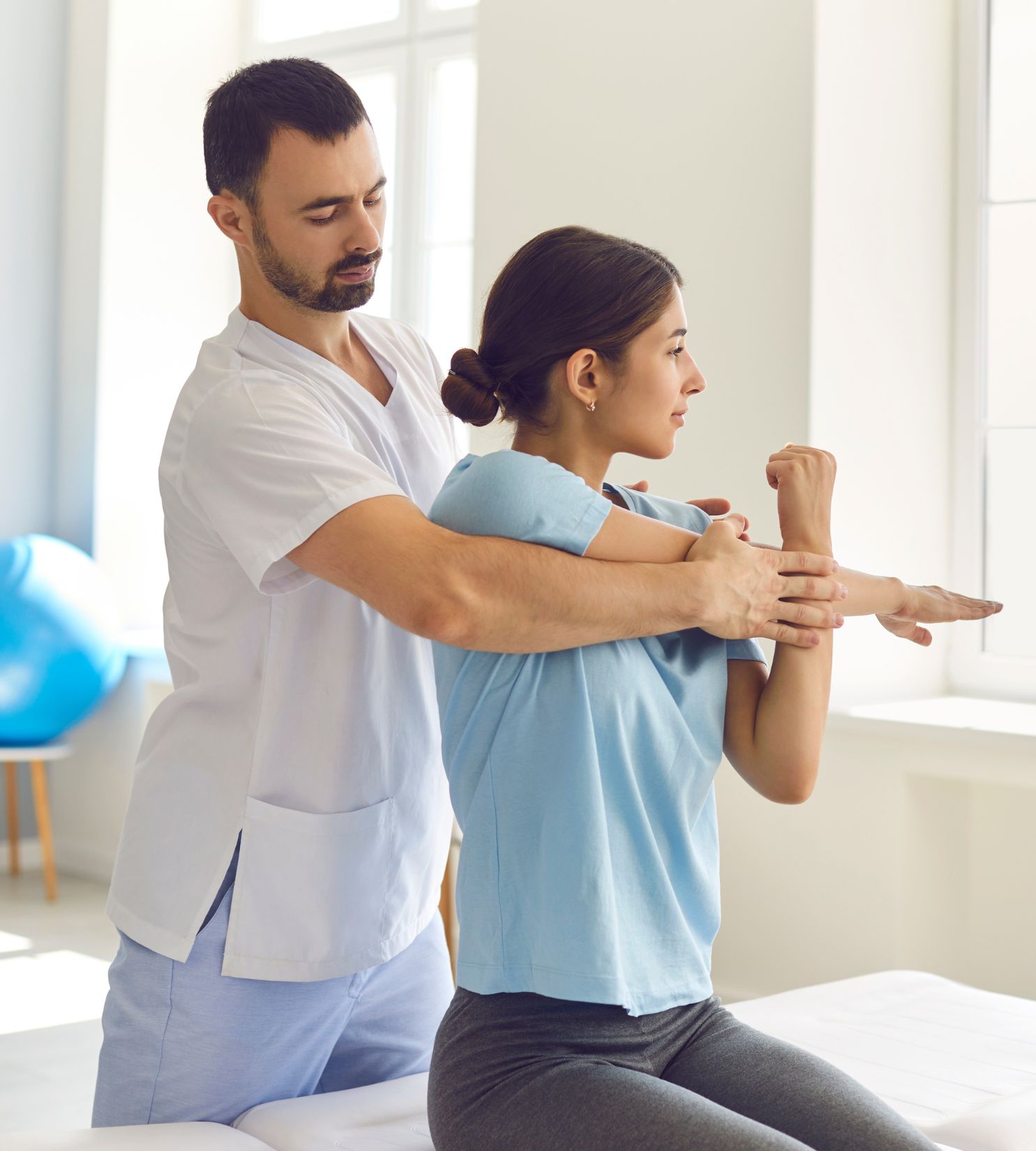
Manual therapy plays a key role in physical therapy care. At CARE, it is an integral part of many treatment plans and helps patients reduce pain, regain mobility, and return to daily activities or sports.
Through techniques performed directly by the physical therapist, manual therapy aims to restore optimal body function while respecting each patient’s needs and abilities.
What is manual rehabilitation?
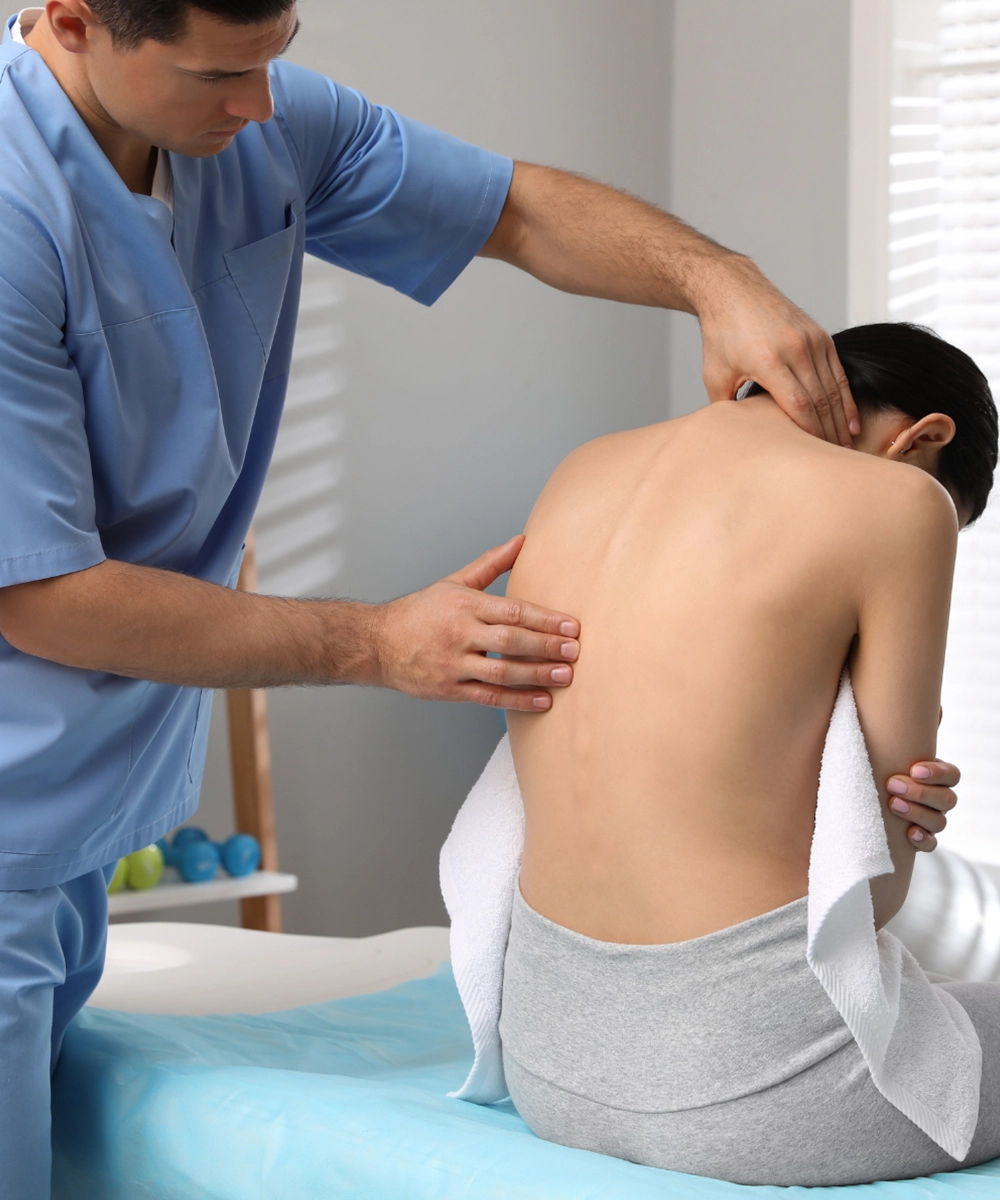
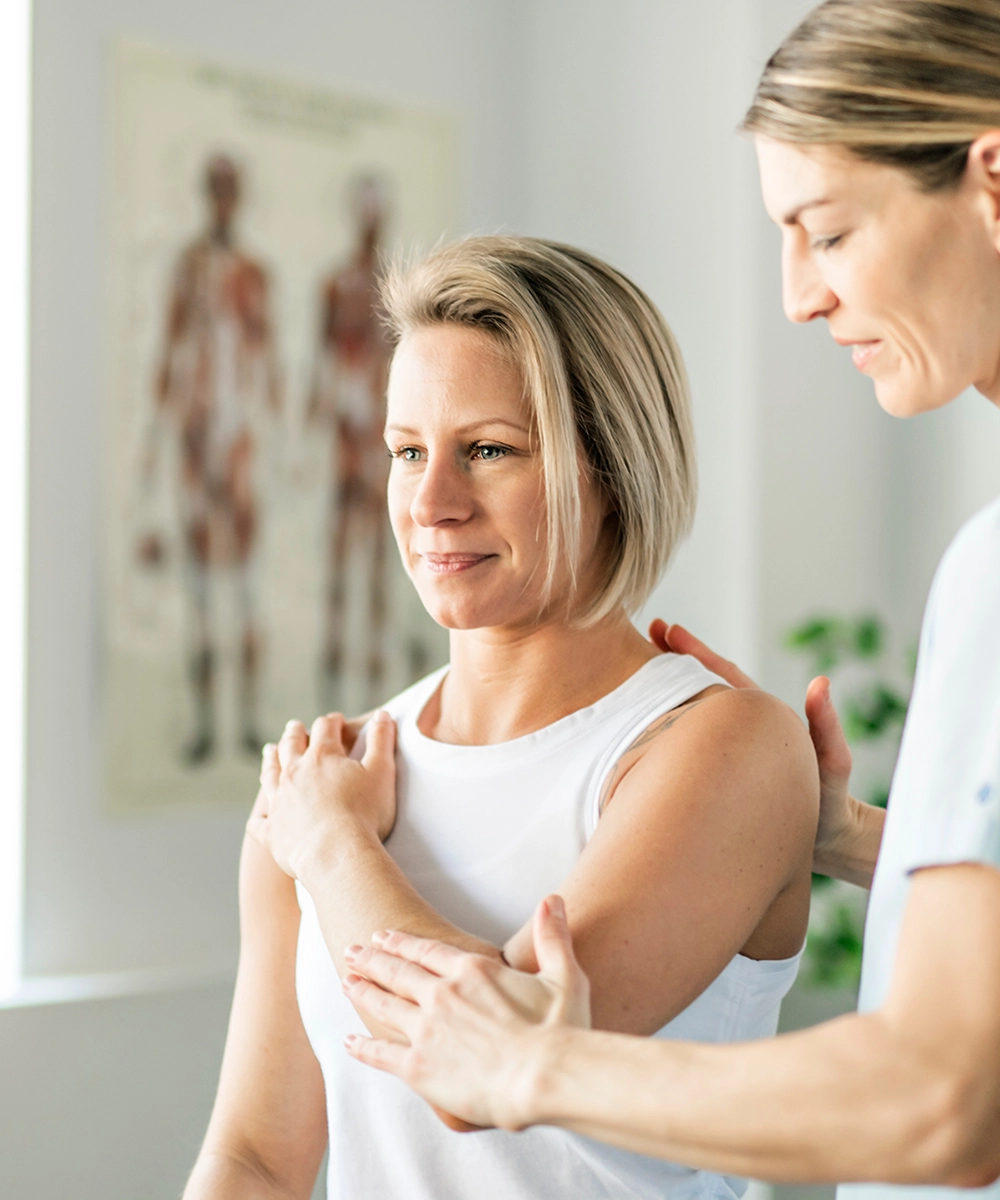
Manual therapy encompasses a range of techniques performed by the therapist using their hands to assess, mobilize, and treat various structures of the body.
It allows you to influence:
- Joints
- Muscles
- Tendons
- The Fascias
- Soft tissues
- Overall Body Mobility
This personalized approach allows the physical therapist to tailor the treatment precisely to the patient’s pain, range of motion limitations, and recovery goals.
The Various Techniques Used in Manual Therapy
Depending on the patient's needs, different techniques may be used during the sessions.
Joint Mobilization Techniques
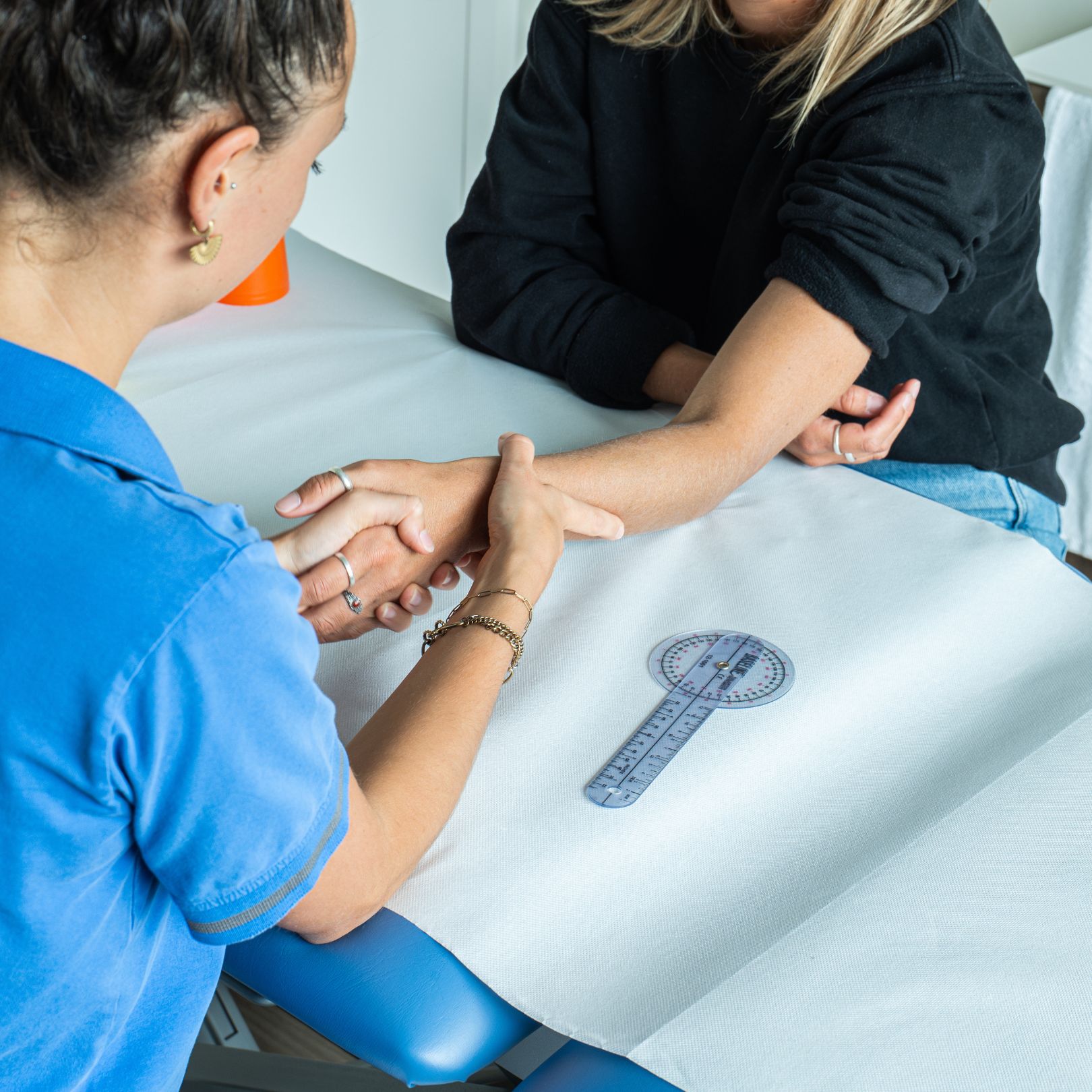
Mobilization involves performing precise, controlled movements to improve the range of motion in a joint that has become stiff or painful.
In particular, they allow you to:
- Regain Range of Motion
- Reduce joint strain
- Reduce certain mechanical pains
- Making Everyday Movements Easier
Manipulations
Certain situations may require specific techniques performed by a physical therapist. These targeted techniques are designed to improve joint mobility and relieve certain types of pain.
Manipulations are always performed after a comprehensive evaluation and only when indicated.
Therapeutic Stretching
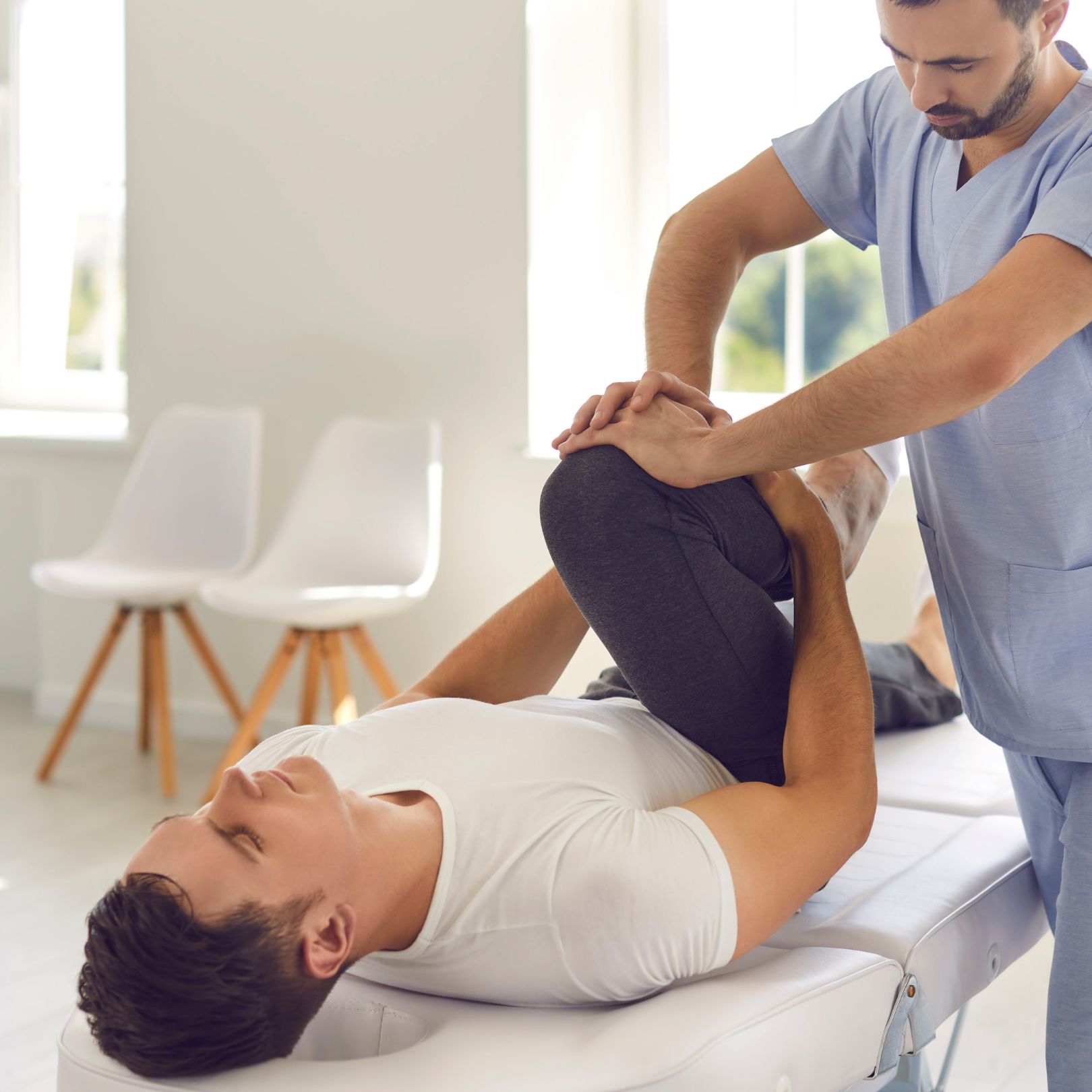
Stretching helps reduce muscle tension, improve flexibility, and restore better mobility.
They can be performed passively by the therapist or actively with the patient's participation.
Muscle and Myofascial Release
Muscle relaxation techniques are designed to reduce muscle spasms, tension, and pain.
Myofascial release also helps improve tissue mobility and promote better movement quality.
Soft Tissue Mobilization Techniques
The physical therapist may also use various manual techniques to address scars, deep tension, or certain tissue adhesions in order to improve functional recovery.
In what situations do we use manual therapy?
Manual therapy is used in many situations, including:
- Neck and Lower Back Pain
- Muscle tension
- Joint Lockups
- Consequences of Sprains or Injuries
- Recovery After Surgery
- Postural Disorders
- Chronic pain
- Limited mobility
- Musculoskeletal Disorders
- Preparation for or support during active rehabilitation exercises
Each treatment is tailored to the individual following a comprehensive evaluation by the physical therapist.
When is manual therapy the preferred treatment?
Manual therapy is often the preferred treatment when:
- The pain severely limits movement
- The patient has significant joint stiffness
- Some mobility must be restored gradually
- Active exercises are difficult at the beginning of treatment
- Muscle tension prevents smooth movement
- Targeted and precise action is needed
In some cases, it helps prepare the body before engaging in active exercise on a machine or with equipment.
It thus represents an essential additional step in the overall rehabilitation process.
A key role in pain relief and functional recovery
Manual therapy contributes to several important therapeutic goals:
- Pain Relief
- Improved Joint Mobility
- Reduction of muscle tension
- Improving the Quality of Movements
- Functional Recovery
- Resuming Daily Activities and Sports
- Improving Comfort and Well-Being
Combined with therapeutic exercises, muscle strengthening, and functional training, it provides comprehensive care tailored to each patient.
At CARE, physical therapists use manual therapy as part of a comprehensive, personalized approach to help each patient achieve a sustainable and gradual recovery.
Goals Tailored to Each Patient
Depending on each person's needs and goals, rehabilitation sessions may aim to:
- Strength Training
- Improving Stability
- Functional Recovery
- Getting Back into Sports
- Injury Prevention
- Improving Balance
- A Return to Daily Life
- Pain Relief
- Improved Mobility and Posture
At CARE, each treatment plan is tailored to help patients achieve a gradual, lasting recovery that is adapted to their lifestyle.

Contact us
Please do not hesitate to contact us if you have any questions about your rehabilitation treatments.
We'd be delighted to hear from you.