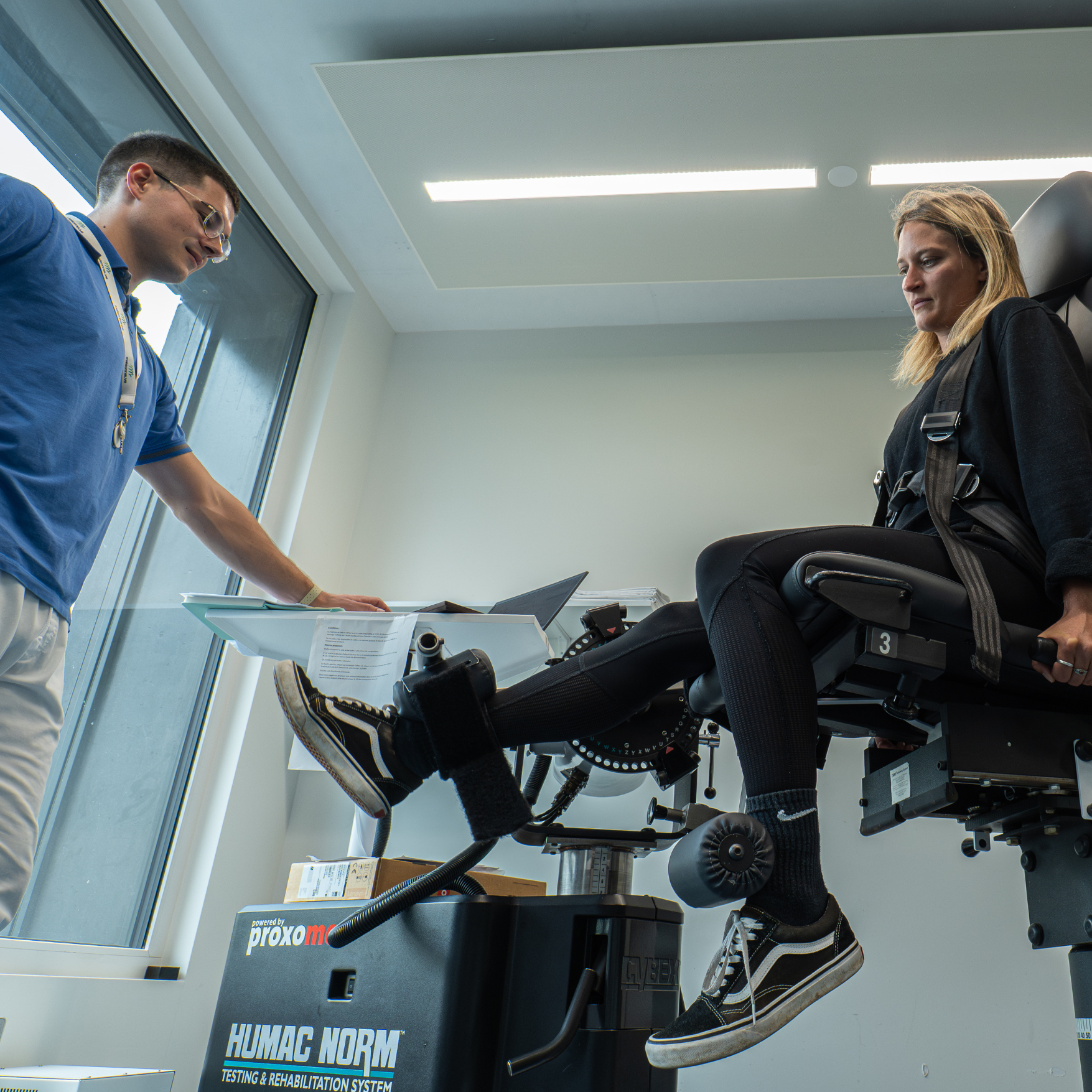
Rehabilitation using machines or equipment
At CARE, rehabilitation is tailored to meet the specific needs of each patient. Depending on therapeutic goals, physical condition, medical condition, or stage of recovery, our physical therapists may recommend exercises using machines, equipment, or manual therapy. These different approaches complement one another and help guide each patient toward optimal recovery in a safe environment.
Modern equipment to support your rehabilitation
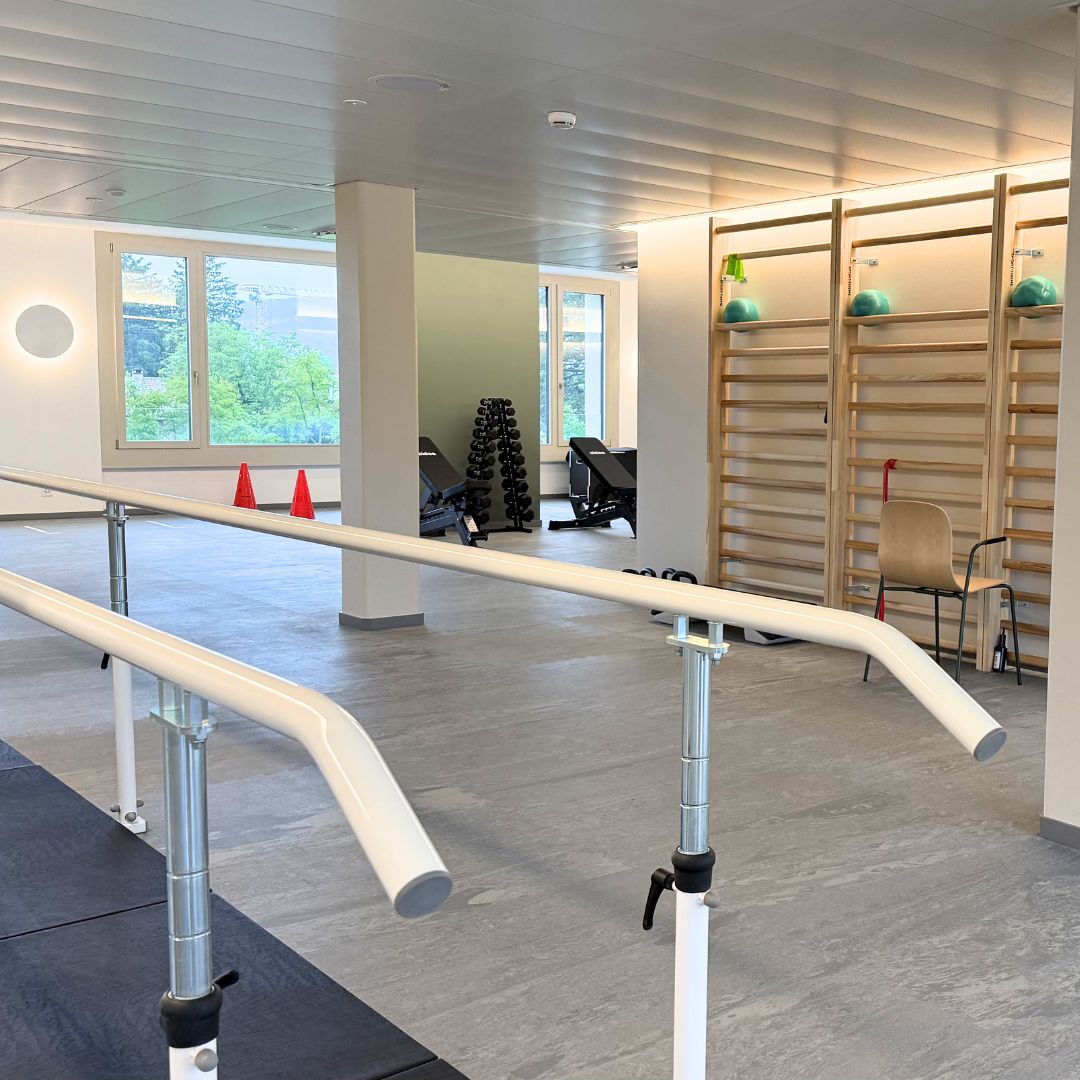
CARE Charmilles and CARE Belle-Terre are equipped with modern facilities designed for functional rehabilitation, muscle strengthening, and the gradual restoration of movement. The machines used allow for precise, safe exercise tailored to each individual’s abilities.
The available equipment includes, among other things:
- Equipment for targeted muscle strengthening
- Cardio-rehabilitation machines
- Work equipment for mobility and reach
- Proprioceptive and Postural Rehabilitation Devices
- Functional tools to help you resume daily activities or sports
This equipment allows for precise adjustment of the loads, ranges of motion, and intensity of the exercises to accommodate each patient's pace of progress
Why use machines in rehabilitation?
Machine-based rehabilitation offers many benefits as part of a physical therapy treatment plan.
In particular, it allows you to:
- Targeted and controlled muscle training
- A gradual and safe progression
- Greater stability during exercise
- Precise control of movements
- A reduction in the risk of compensation or improper actions
- A gradual return to activity after an injury, surgery, or immobilization
These machines are particularly useful when certain body structures need to be protected or when the patient needs a supportive environment to gradually regain physical function.
In what situations is machine-based rehabilitation preferred?
Machine work is often recommended in various situations, including:
- After surgery
- During recovery from a muscle or joint injury
- In cases of significant muscle weakness
- For a gradual return to sports
- For chronic pain requiring supervised strengthening
- For patients who require very precise and gradual treatment
Each program is individually tailored by the physical therapist based on the patient's goals and progress.
Rehabilitation with Equipment: Functional and Varied Exercises
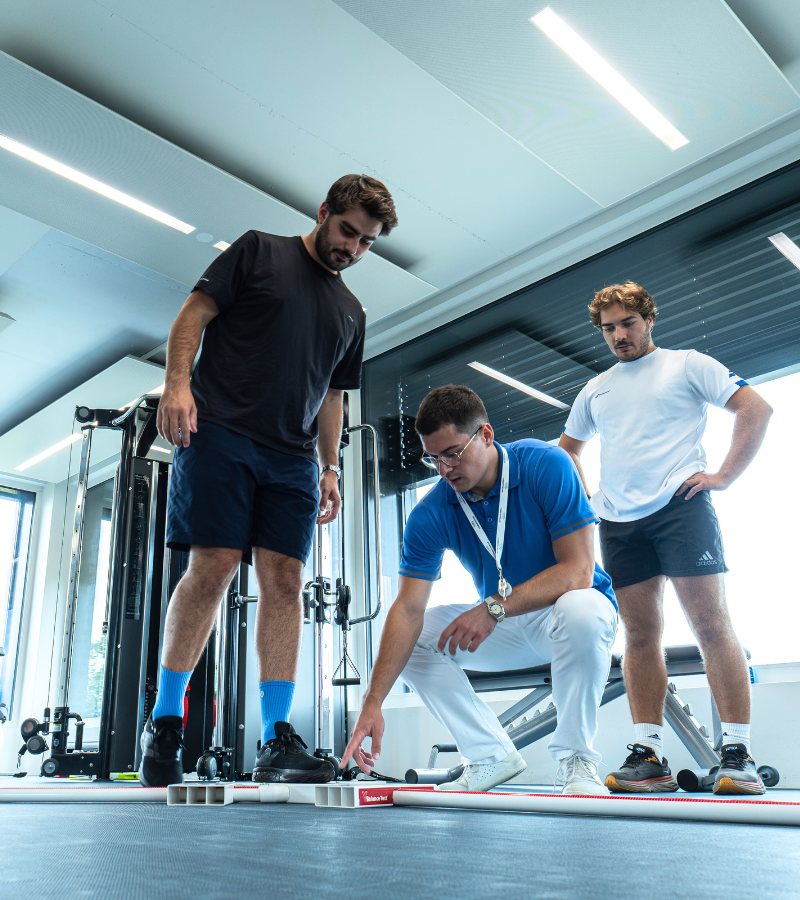
In addition to the machines, CARE physical therapists use a variety of accessories to facilitate more functional, dynamic, and holistic treatment.
Some of the most commonly used accessories include:
- Resistance Bands
- Therapeutic balloons
- Suspension Straps
- Balance boards and cushions
- Dumbbells and small weights
- Steps and Mobility Aids
- Sticks and Coordination Tools
These accessories allow you to vary your exercises and work on different physical abilities, such as stability, coordination, balance, mobility, and motor control.
When is rehabilitation using assistive devices recommended?
Rehabilitation using assistive devices is particularly recommended for:
- To improve balance and proprioception
- In joint stability training
- For the functional recovery of everyday movements
- In injury prevention
- When Resuming Exercise
- To develop motor coordination and control
- In rehabilitation programs
It also makes it possible to replicate movements that more closely resemble real-life situations in daily life or sports.
Machine-Based Therapy, Accessories, and Manual Therapy: Complementary Approaches
At CARE, rehabilitation is never based on a single method. Physical therapists combine different approaches to provide comprehensive and consistent treatment.
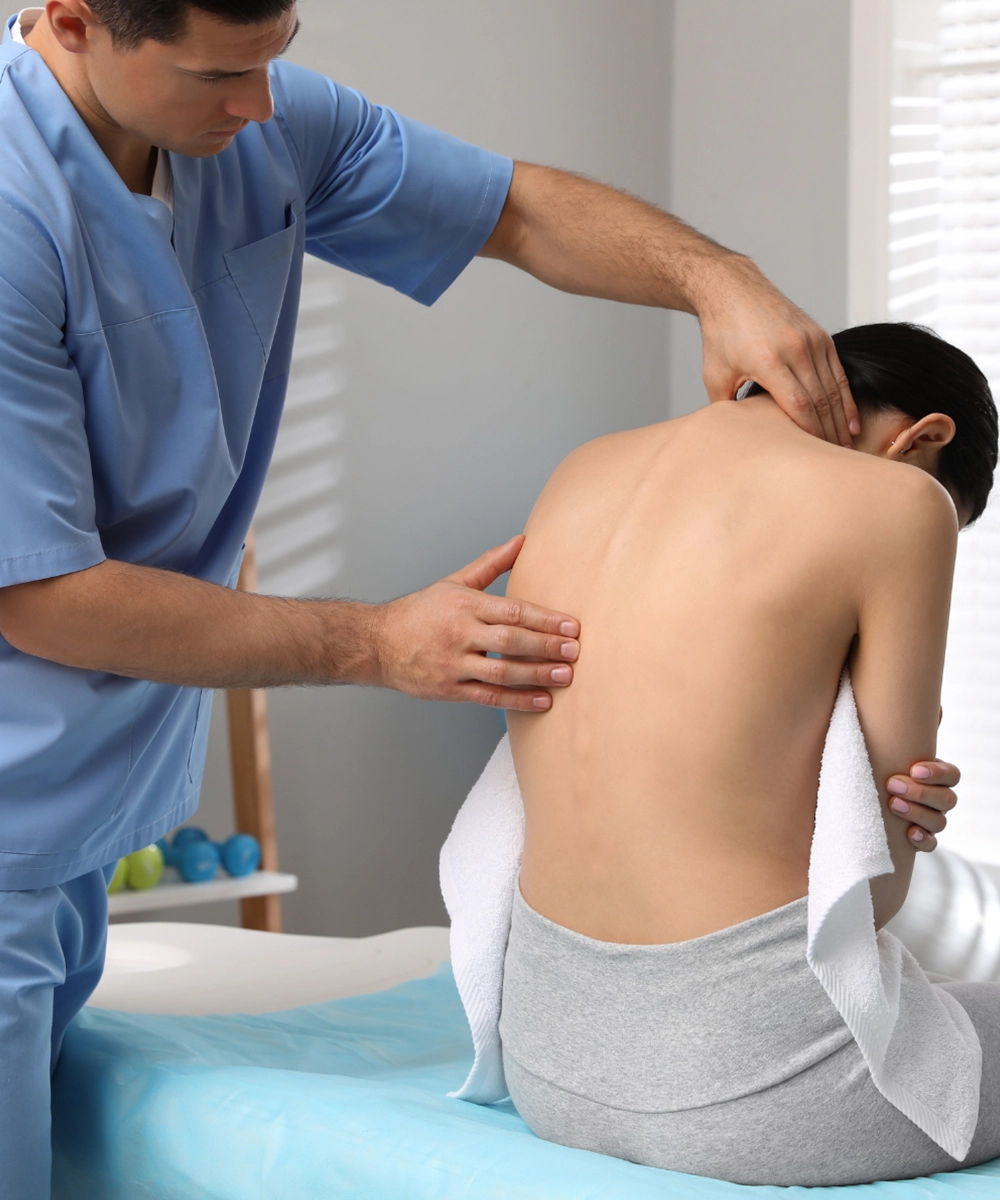
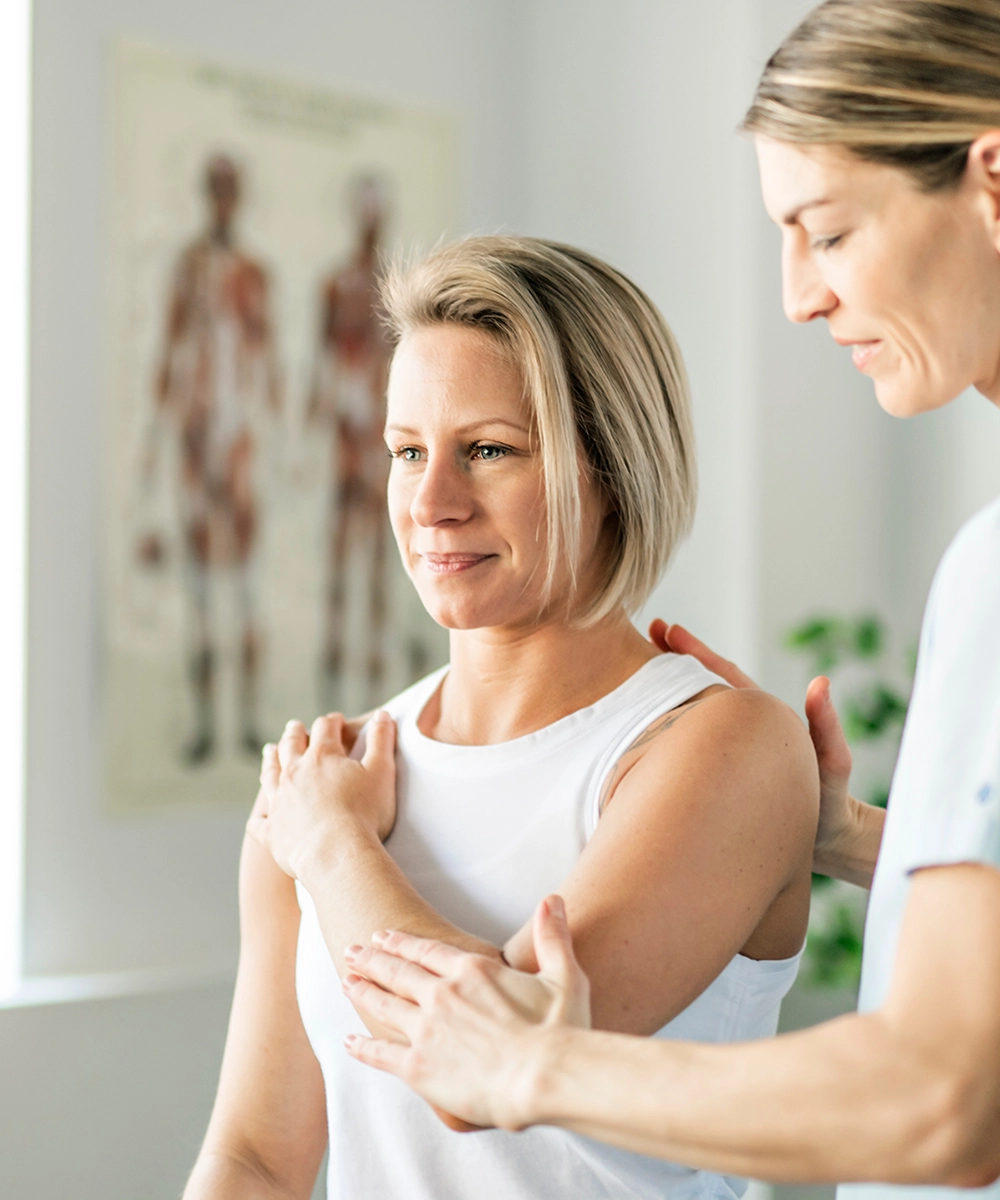
Manual labor makes it possible, in particular, to:
- Relieve pain
- Improving Joint Mobility
- Relieve muscle tension
- Preparing the Body for Movement
Working out on machines provides a structured framework for building and strengthening muscles.
Accessories, for their part, make work more functional, comprehensive, and dynamic.
The combination of these approaches promotes a more complete and lasting recovery.
Goals Tailored to Each Patient
Depending on each person's needs and goals, rehabilitation sessions may aim to:
- Strength Training
- Improving Stability
- Functional Recovery
- Getting Back into Sports
- Injury Prevention
- Improving Balance
- A Return to Daily Life
- Pain Relief
- Improved Mobility and Posture
At CARE, each treatment plan is tailored to help patients achieve a gradual, lasting recovery that is adapted to their lifestyle.

Contact us
Please do not hesitate to contact us if you have any questions about your rehabilitation treatments.
We'd be delighted to hear from you.