Isokinetic
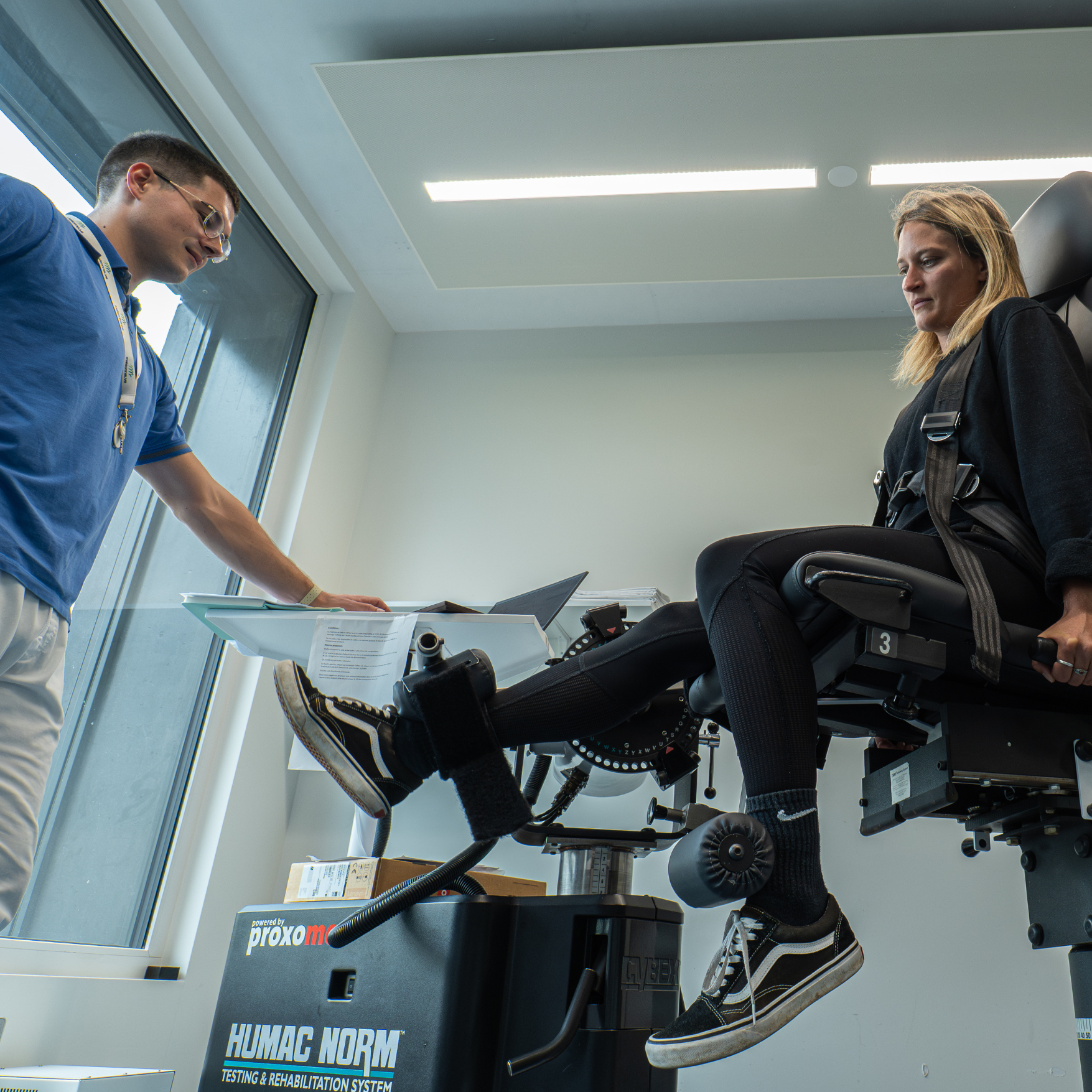
Isokinetics is a cutting-edge technology used in physical therapy and functional rehabilitation to accurately assess muscle strength and support strength training in a targeted and safe manner.
Our device is located at CARE Belle-Terre. This approach allows us to obtain objective data on the patient’s muscle strength in order to tailor treatment, monitor recovery progress, and prepare for a return to sports under the best possible conditions.
What is isokinetic training?
Isokinetics refers to a method of muscle training performed using a specialized machine capable of controlling the speed of movement during exercise.
Unlike traditional exercises, the machine automatically adjusts the resistance based on the force exerted by the patient. This allows for optimal muscle engagement throughout the entire range of motion, while ensuring a high level of safety.
This technology provides a highly accurate analysis of muscle performance and enables personalized training tailored to each patient's needs.
What is the purpose of isokinetic training in physical therapy?
Isokinetics is used both as an assessment tool and for rehabilitation.
In particular, it allows you to:
- Accurately measuring muscle strength
- Identify muscle weaknesses or imbalances
- Compare the two sides of the body
- Assessing Recovery After an Injury or Surgery
- Adapting Strength Training Exercises
- Objectively monitor the patient's progress
- Preparing to Resume Sports Safely
Using the data collected, physical therapists can develop a precise and progressive rehabilitation program.
An Accurate Assessment of Muscle Strength
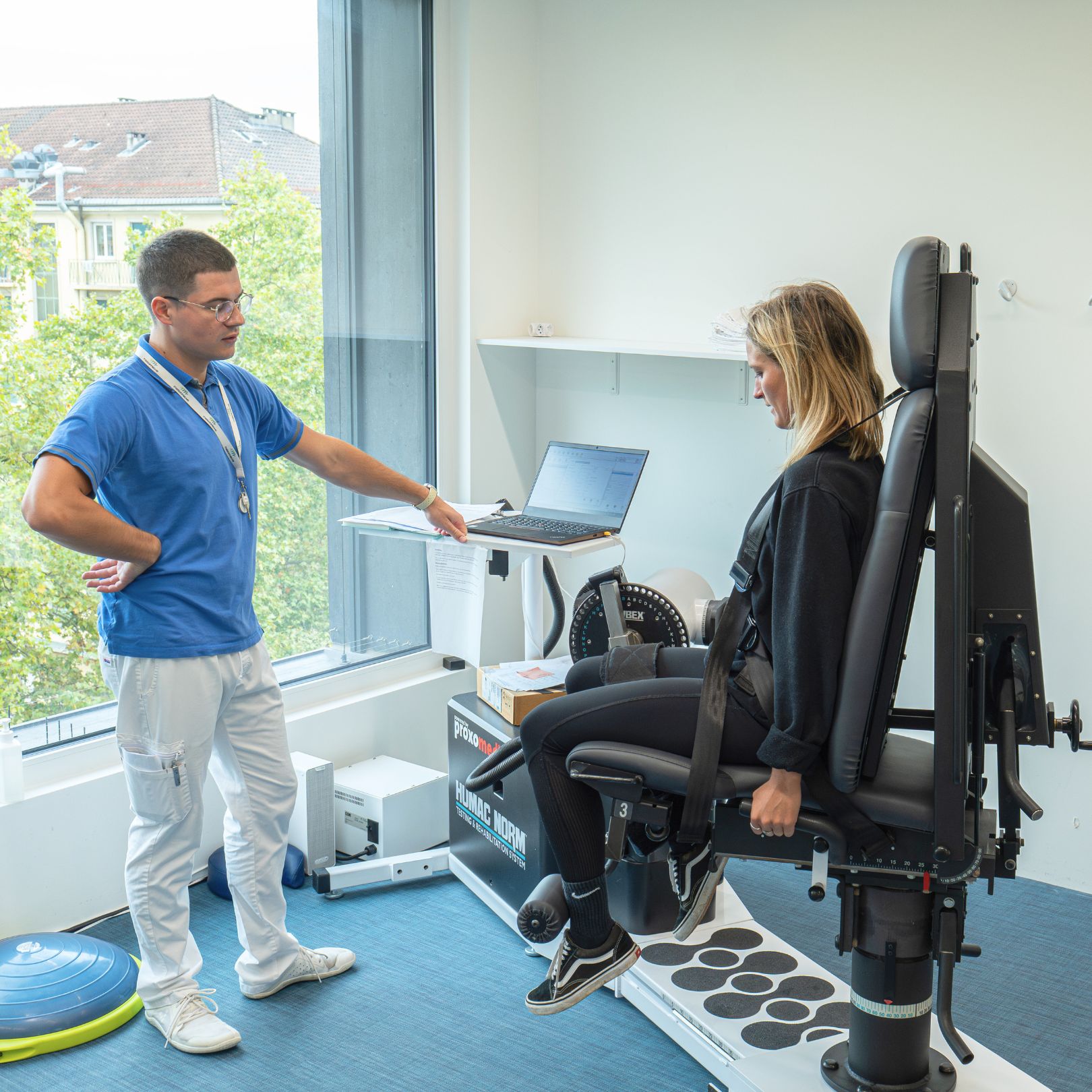
One of the main advantages of isokinetic testing is its ability to accurately measure muscle performance.
The tests make it possible to analyze:
- Muscle strength
- Endurance
- Power
- Asymmetries among members
- Movement Control
These assessments provide essential objective data to guide treatment and define recovery goals.
They are particularly useful for monitoring athletes or following certain orthopedic surgeries.
Targeted and safe muscle strengthening
In addition to assessment, isokinetic training also allows for very precise muscle strengthening exercises.
The machine automatically adjusts the resistance to match the patient's actual strength, which allows for:
- Controlled muscle work
- Optimal muscle engagement
- A reduction in the risk of offsetting
- Safe Progress
- A workout tailored to the recovery phase
This type of exercise is particularly beneficial when certain joints need to be protected or when a gradual increase in intensity is necessary.
A valuable tool for tracking progress and returning to sports
Isokinetic training plays an important role in monitoring recovery and determining when to resume sports activities.
The measurements taken make it possible to:
- View progress over time
- Monitor Changes in Muscle Strength
- Monitoring Persistent Imbalances
- Assessing Functional Ability Before Returning to Sports
- Reducing the Risk of Recurrence
This objective data is particularly useful for athletes who want to resume their training under optimal conditions for safety and performance.
In what situations do we use isokinetic training?
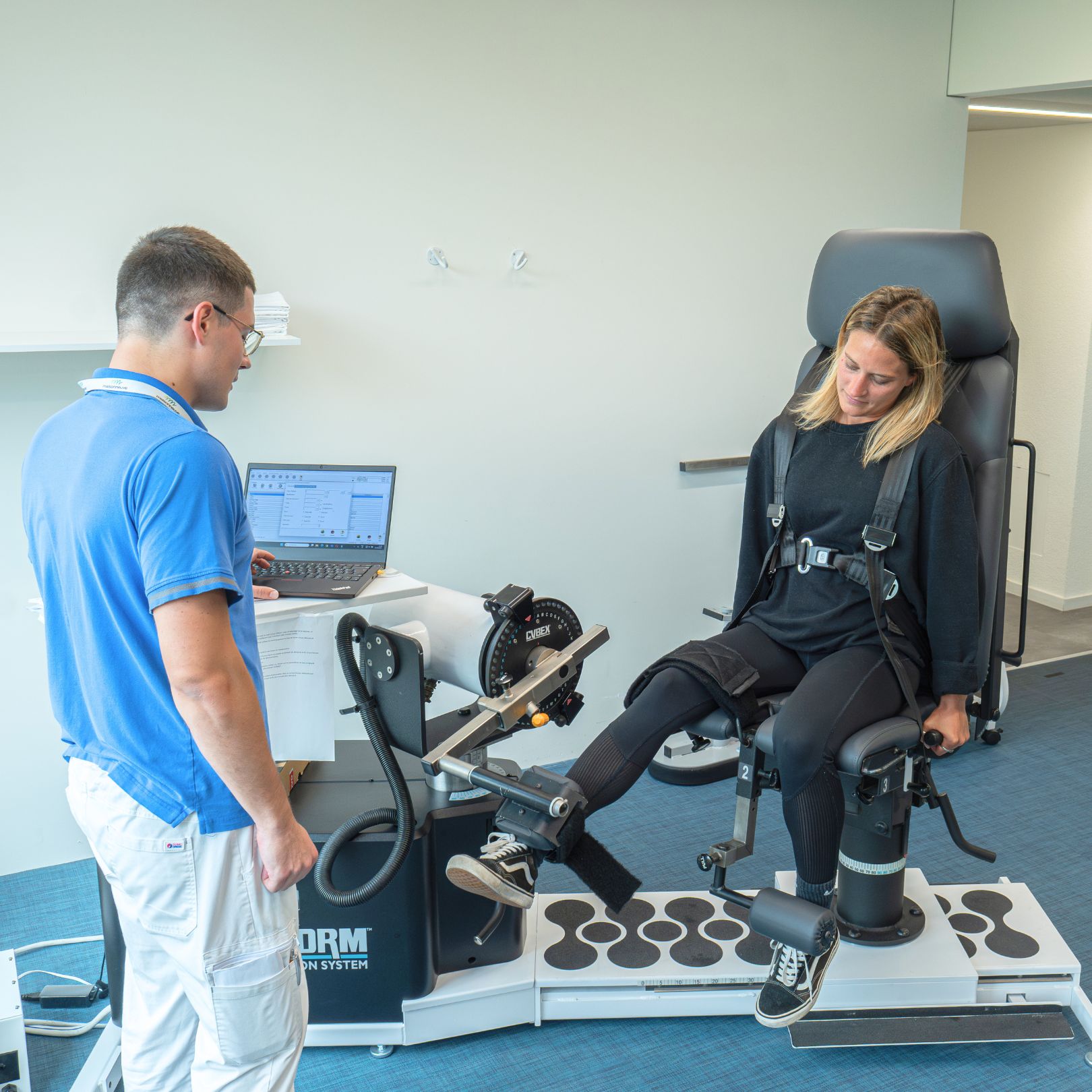
Isokinetic training may be recommended in various situations, including:
- Postoperative Rehabilitation
- Recovery from Knee or Shoulder Surgery
- Ligament Injuries
- Rehabilitation After an Anterior Cruciate Ligament (ACL) Tear
- Muscle Injuries
- Preparing to Return to Sports
- Monitoring Amateur and Professional Athletes
- Significant muscle imbalances
- Specific muscle strengthening
- Prevention of Recidivism
Each treatment is tailored to the patient's needs and integrated into a comprehensive care plan supervised by CARE physical therapists.
Personalized Care at CARE
At CARE Belle-Terre, isokinetic training is part of a comprehensive rehabilitation approach that combines manual therapy, functional exercises, muscle strengthening, and personalized support.
This technology enables us to provide precise, scalable monitoring tailored to each patient’s goals in order to promote optimal and lasting recovery.

Contact us
Please do not hesitate to contact us if you have any questions about your rehabilitation treatments.
We'd be delighted to hear from you.