What is Dry Needling?
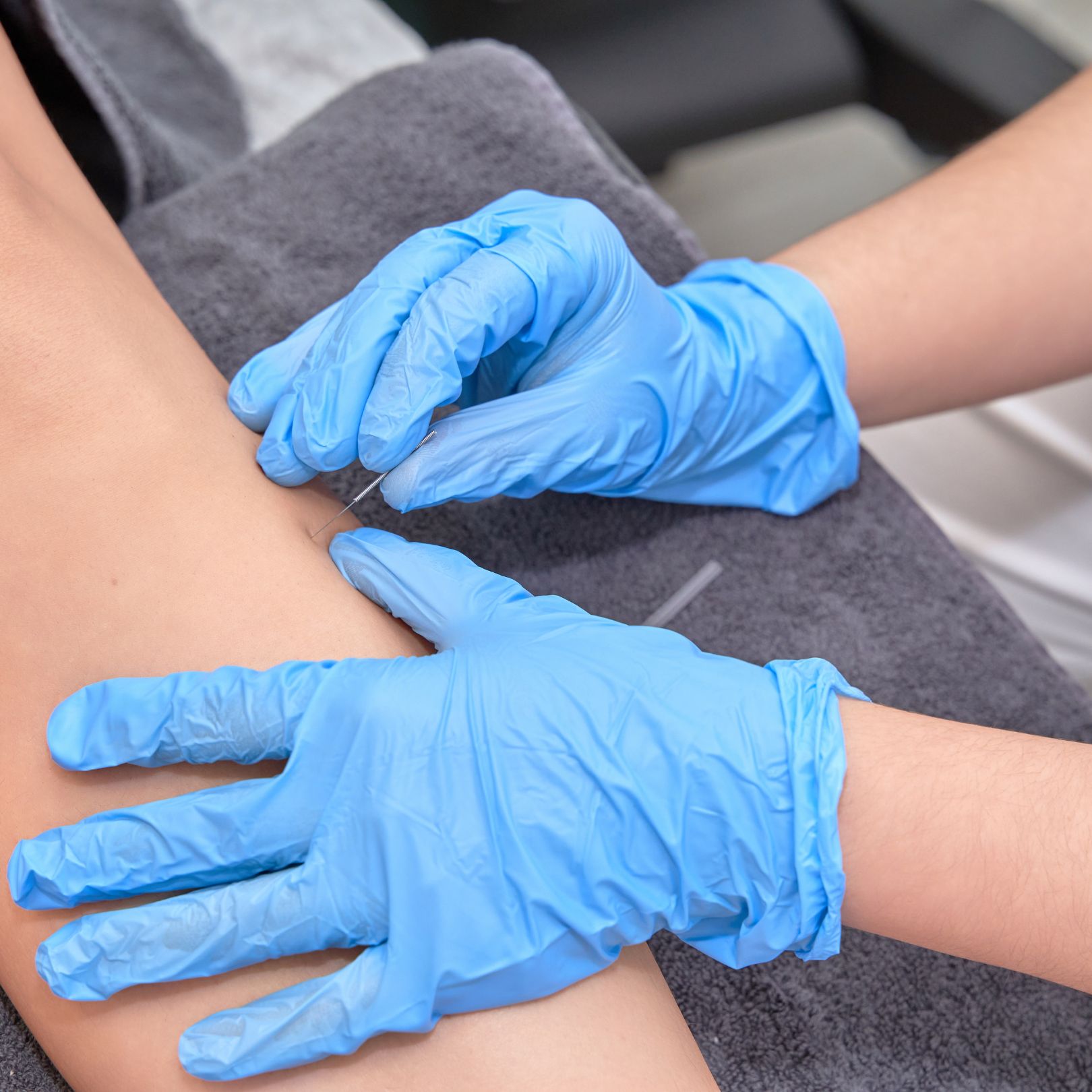
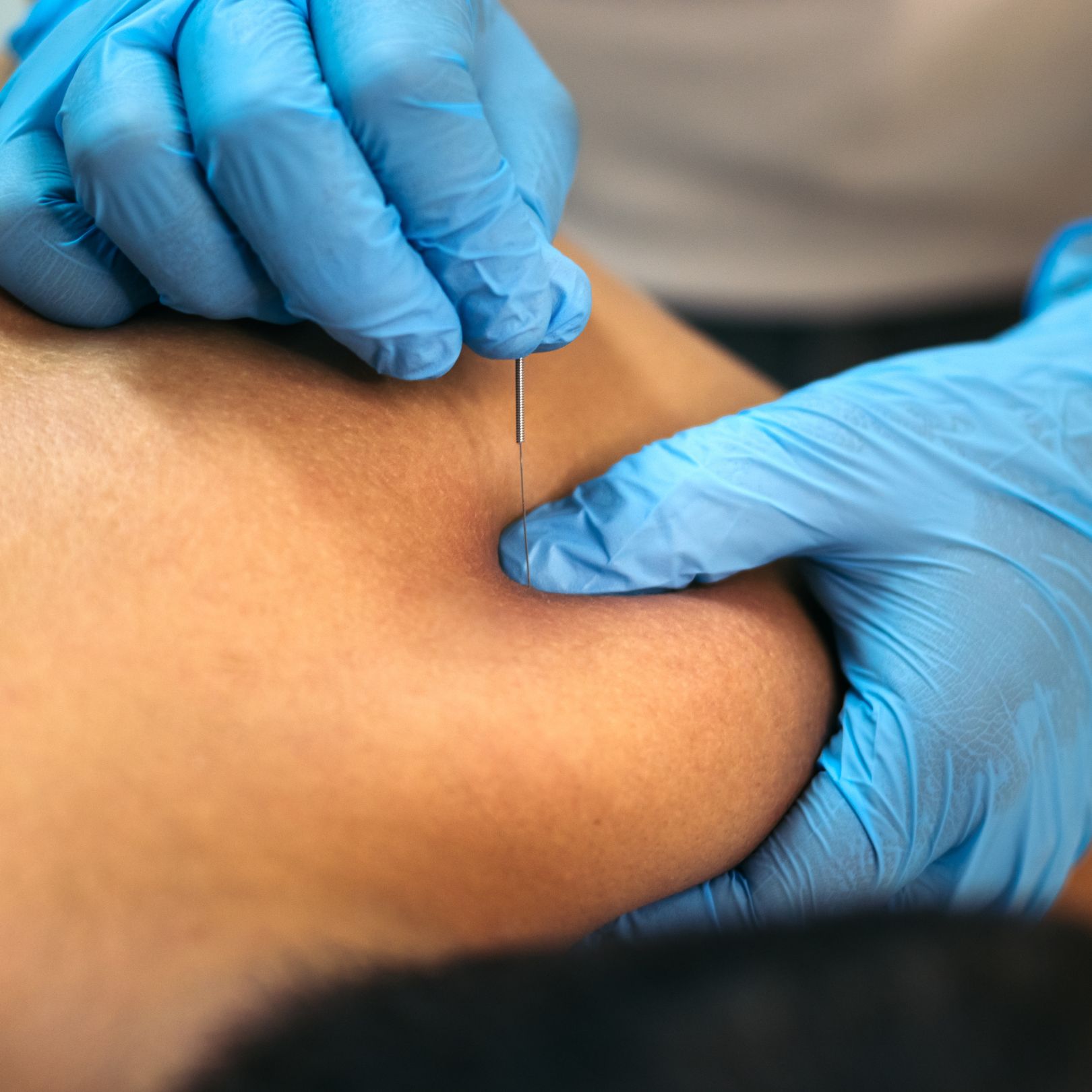
Dry needling is a therapeutic technique that involves inserting fine needles directly into areas of muscle tension known as trigger points.
These points correspond to actual “knots” in the muscle, which are often responsible for localized or radiating pain, as well as stiffness or limited range of motion.
The insertion of the needle triggers a muscle reaction (reflex contraction), which helps relieve tension, reduce pain, and restore normal muscle function.
What are the intended effects of this technique?
Dry needling primarily works through two mechanisms: muscle relaxation and pain relief.
1. Treatment of muscle tension (trigger points)
Trigger points are areas of persistent muscle contraction, often related to overuse or trauma.
Dry needling triggers a local muscle reaction (reflex contraction), which helps to release that trigger point.
This mechanism results in:
- a relaxation of the muscle fibers
- a reduction in abnormal muscle activity
- improved flexibility and range of motion
2. Effects on Pain and Inflammation
Prolonged muscle tension can disrupt blood circulation and promote the release of inflammatory substances that cause pain.
Dry needling works by:
- reducing the substances involved in pain
- stimulating the production of endorphins (the body's natural painkillers)
- improving local traffic flow
The result: pain relief—often rapid—and a lasting sense of relaxation.
What is the difference between dry needling and acupuncture?
Dry needling andacupuncture use similar needles, but are based on different approaches and have different goals.
Acupuncture
Acupuncture, which has its roots in traditional Chinese medicine, is based on an energy-based approach. It aims to rebalance energy flows (meridians) by stimulating specific points located primarily on the surface of the skin.
It is a comprehensive and holistic approach, often used to improve overall well-being, reduce stress, or address various imbalances in the body.
Dry Needling
Dry needling is a modern Western technique based on anatomical and scientific knowledge.
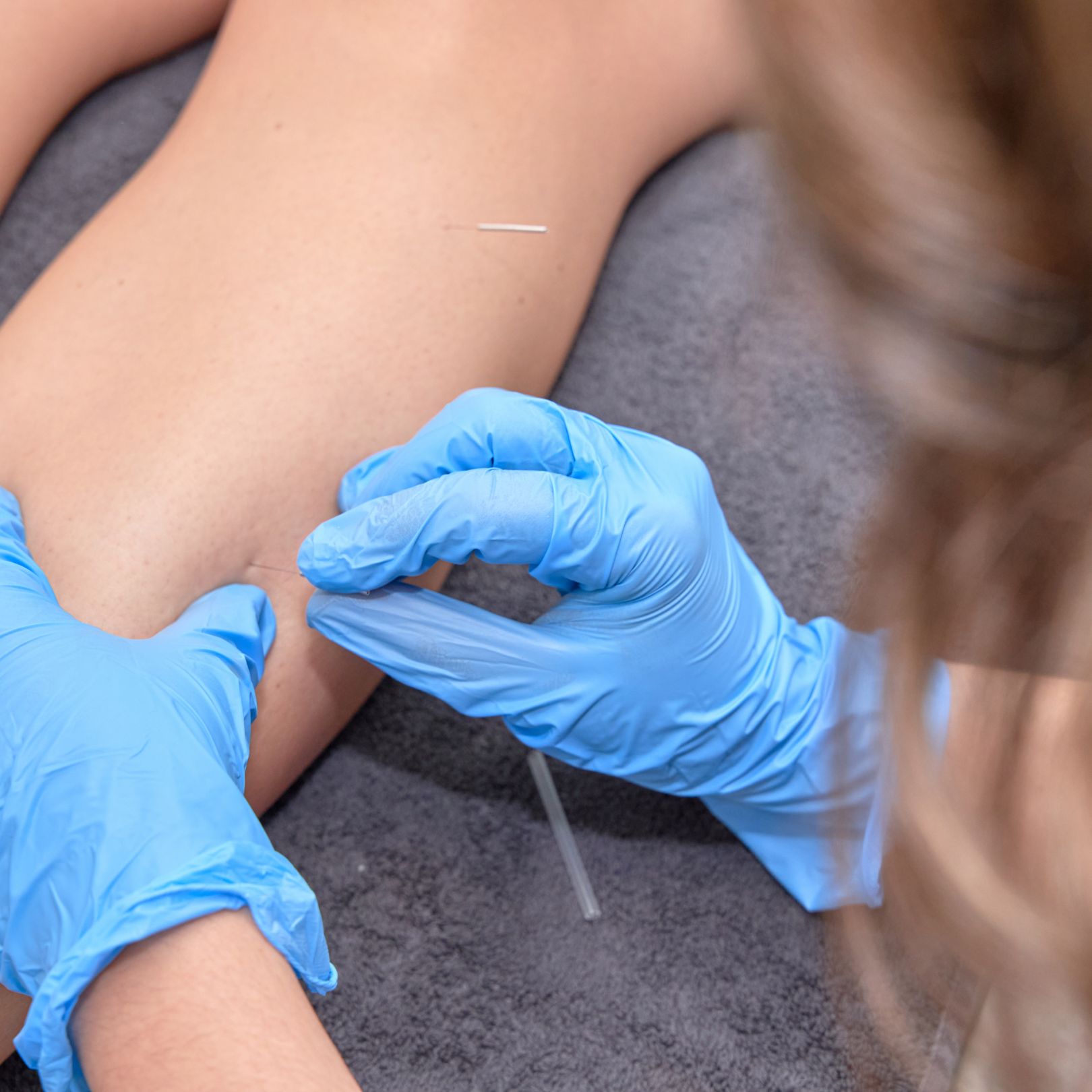
It involves inserting a needle directly into the muscle, at areas of tension known as trigger points, with the aim of:
- relieve muscle tension
- reduce pain
- improve muscle function
In what situations do we use it at CARE Charmilles?
Dry needling is primarily indicated for the treatment of myofascial pain—that is, muscle-related pain caused by tension or trigger points.
We use it, in particular, in the following situations:
- neck pain (cervicalgia)
- tendinopathies
- scar-related pain
- soft tissue pain
- muscle spasms
This technique is part of a comprehensive treatment plan designed to relieve pain, release tension, and improve mobility
What are the potential benefits?
The main goal of dry needling is to reduce pain.
This decrease may be accompanied by several improvements:
- greater mobility
- a reduction in muscle tension
- improved posture
- greater comfort in everyday movements
The goal is to enable a faster return to normal, pain-free function.
What are the contraindications?
Before performing dry needling, it is essential to ensure that certain contraindications are not present.
Main contraindications:
- coagulation disorders (e.g., hemophilia)
- taking high-dose anticoagulants
- a local or skin infection in the area to be treated
- open wound or skin lesion at the insertion site
- The patient's refusal or significant apprehension (lack of consent)
Please note:
Certain situations require special precautions. That is why a comprehensive evaluation (medical history) is always conducted before any treatment begins, to ensure that the treatment is safe and appropriate.



Contact us
Please do not hesitate to contact us if you have any questions about your rehabilitation treatments.
We'd be delighted to hear from you.