Shock waves: an effective solution for relieving musculoskeletal pain
Chronic pain and tendon or muscle injuries can quickly become disabling, limiting daily activities and sports. Among today's non-invasive treatments, shockwave therapy stands out for its effectiveness. This method, which has been used for many years in physiotherapy, offers rapid and lasting results without recourse to surgery or heavy drug treatments.
What is shockwave therapy?
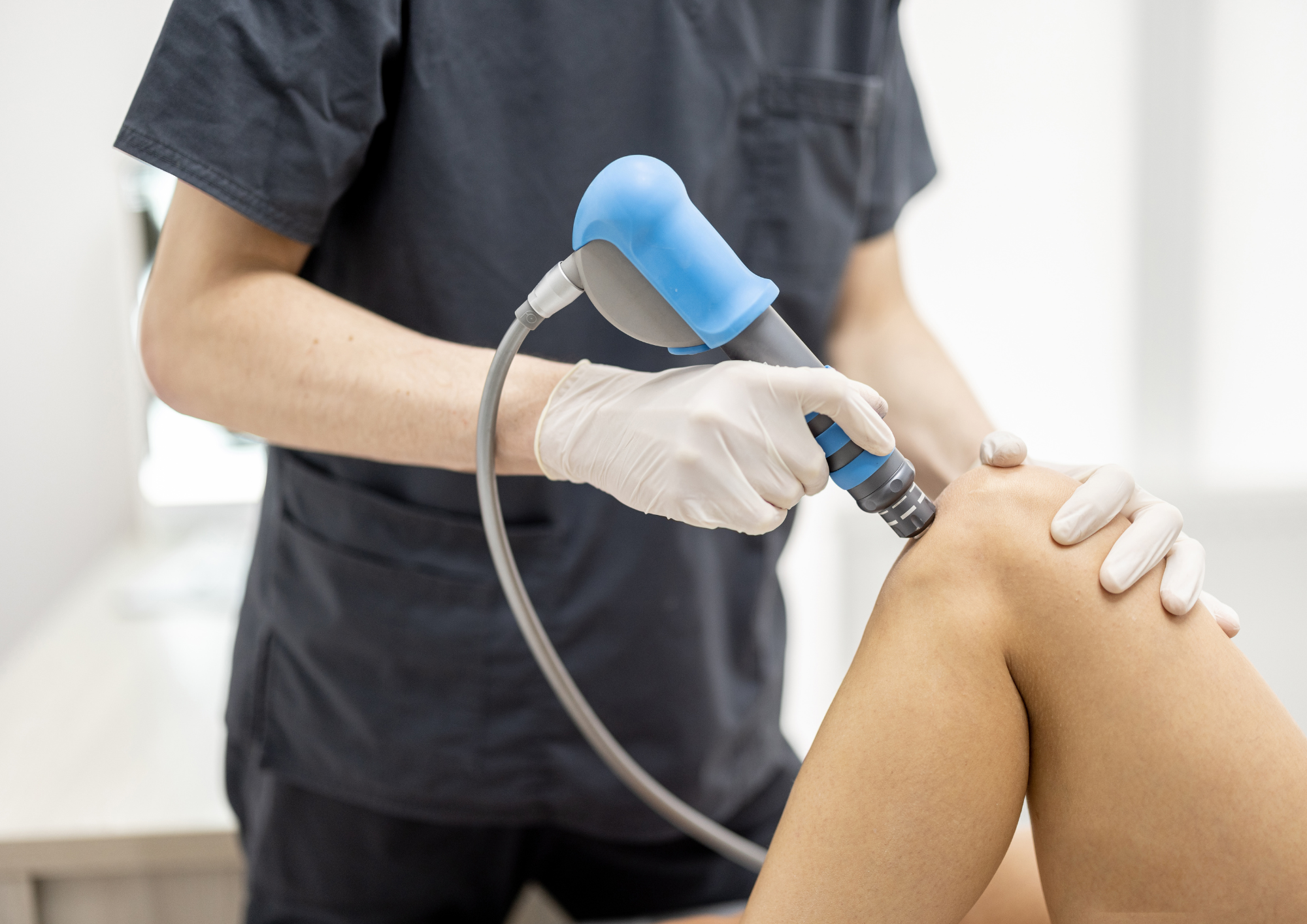
Shockwave therapy is a medical treatment using high-intensity acoustic waves. These waves are applied directly to the area to be treated using a special device. They cause controlled micro-trauma, stimulating local blood circulation and accelerating the repair of damaged tissue.
Shockwave therapy is particularly indicated for the treatment of chronic pain, especially when conventional conservative treatment (rest, physiotherapy, medication) has failed to improve symptoms.
How does a shockwave therapy session work?
Initial assessment
Before starting treatment, a clinical assessment is essential. The physiotherapist performs a thorough examination to identify the painful area and determine whether shockwave therapy is indicated.
Session sequence
During the session, the therapist applies a gel to the area to be treated, then positions the head of the device on this area. Treatment lasts between 10 and 20 minutes on average, depending on the pathology and the surface being treated.
The sensation may be uncomfortable, but it remains bearable. It is common to feel a little pain during or just after the session, which disappears rapidly. In general, 3 to 5 sessions spaced a week apart are needed to see a noticeable improvement.
Side effects and contraindications of shock waves
Shockwave therapy is safe when performed by a trained professional. Nevertheless, some mild side effects may occur:
- Mild redness or bruising of the treated area
- Temporary sensitivity or slight pain after the session
Contraindications
In certain situations, this treatment should be avoided:
- Pregnancy
- Coagulation disorders or use of anticoagulants
- Local infection or open wound in the area to be treated
- Presence of a metal prosthesis or implant in the immediate vicinity
- Non-stabilized tumors or cancers
What are the expected benefits?
Shockwave therapy reduces pain, improves joint mobility and stimulates tissue regeneration. This treatment is popular not only with athletes, but also with chronic pain sufferers looking for a non-invasive alternative.
The expected benefits are :
- A gradual reduction in pain
- Improved joint mobility
- Faster return to daily activities and sports
Shock waves and physiotherapeutic follow-up
Shockwave therapy is often part of an overall rehabilitation program. In addition to the sessions, the physiotherapist can prescribe specific exercises to strengthen the treated area and prevent recurrence.
This personalized follow-up is essential to ensure lasting results and a safe return to activity.
Conclusion
Shockwave therapy is an effective, non-invasive solution for relieving chronic pain and promoting the healing of tendons and muscles. It is suitable for both athletes and people suffering from persistent musculoskeletal pathologies. As part of an overall program of support by a physiotherapist, this treatment helps improve quality of life and allows patients to return to their activities with complete peace of mind.
Table of contents
September 25, 2026
September 25, 2026

September 25, 2026